
Kirby Macdonald (she/her)
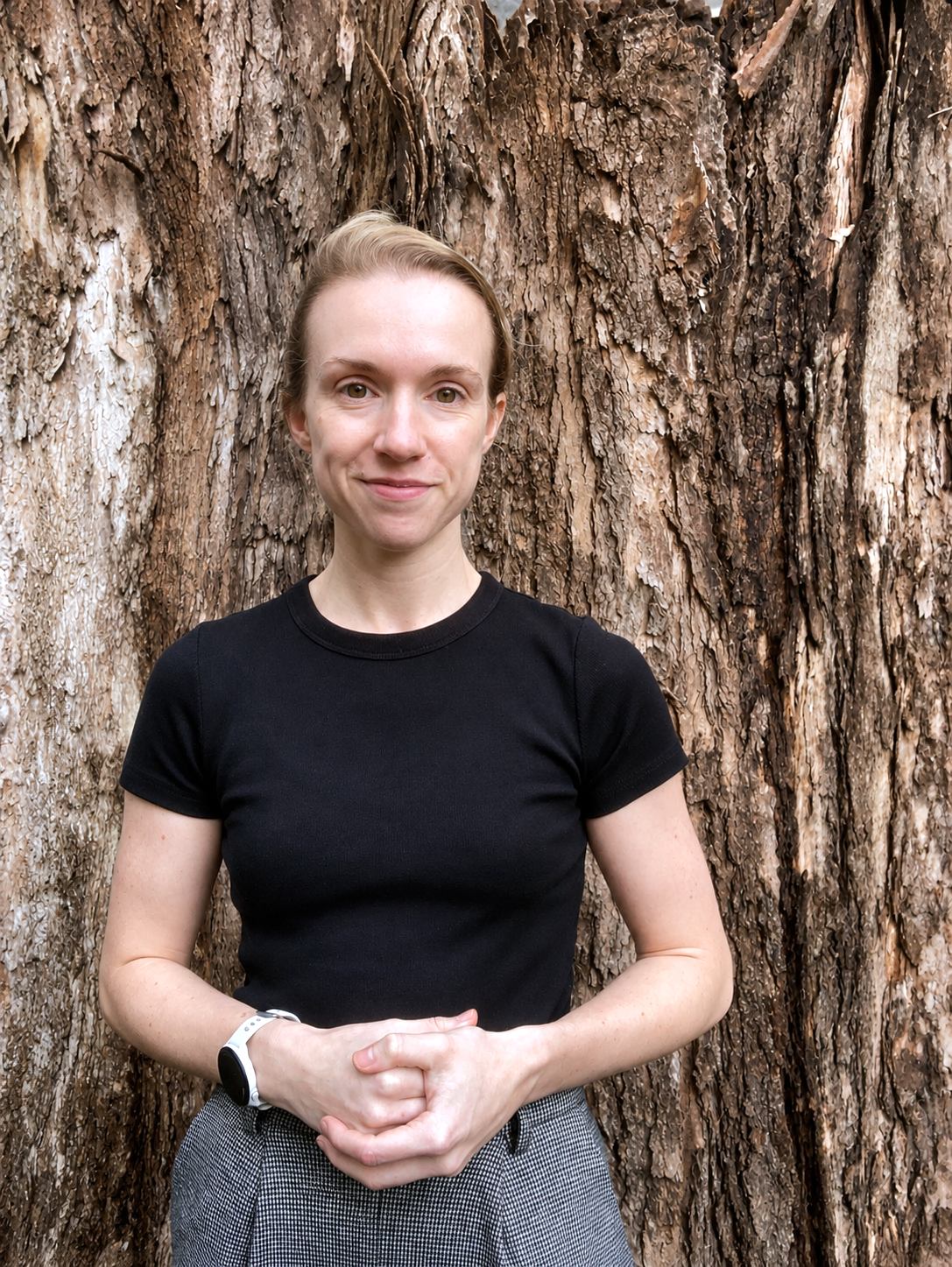
I’m passionate about supporting people who have felt unseen, misunderstood, or harmed within traditional healthcare spaces.
My practice is grounded in compassion, collaboration, and a deep respect for autonomy. Real human connection lives at the core of my work, and I care far more about the people I work with than about the food they eat.
I recognise that how we eat is informed by our lived experiences, identities and the systems we exist in, and use dietetic counselling to work with each client as a whole person.
Areas of Interest
Eating disorders grounded in body image distress, including anorexia nervosa, binge eating disorder and bulimia nervosa
Difficulties with intake due to sensory differences or aversions, including ARFID
Neurodiversity, including autism and ADHD
LGBTQIA+ and gender diverse experiences
Cultural and ethnic diversity
Chronic illness and disability
Clinicians experiencing an eating disorder themselves while supporting others
Sports nutrition
Philosophies of Practice
My work is guided by the following philosophies, and I aim to practice in a way that is:
HAES® aligned
Neurodiversity affirming
LGBTQIA+ and gender inclusive
Trauma informed
Body fascism opposing
Autonomy and consent centred
Collaborative and person-led
Non-pathologising
Approach to Eating Disorders
I aim to create a space where people can show up as they are, without needing to perform “readiness,” compliance, or recovery in a way that feels inauthentic or unsafe.
I recognise that eating disorders are often not the problem, but a reflection of deeper underlying distress. Eating disorders often occur to people who are suffering, serving an important emotional, social or relational function to help them cope. While they can cause significant harm, they do not arise out of nowhere, and I do not believe people should be reduced to symptoms, behaviours, or compliance markers.
I am open to non-traditional and harm minimisation approaches where appropriate, particularly when rigid or coercive treatment models have caused harm or failed to acknowledge a person’s needs and lived experience. I believe recovery is rarely linear, and that there is space for uncertainty, ambivalence, and nuance.
I prioritise building connection and trust before taking any steps forward. I recognise that people exist within complex realities — including neurodivergence, trauma, chronic illness, financial stress, cultural expectations, oppression, and systemic harm – and that these realities shape both your experience of the eating disorder and my approach to practice. I value creating a relationship grounded in openness and authenticity, where both of our lived experiences can inform the work we do together.
Approach to Sports Nutrition
My background also includes supporting athletes and normal-sporty-people across a range of sports and levels of competition. My previous roles include lecturing sports nutrition at The Australian College of Physical Education and private practice dietetics for dancers and performing artists.
My approach aims to help people feel better during training, rather than performance outcomes alone. I aim to provide realistic advice that prioritises nourishment and accessibility over perfectionism.
I also work with athletes experiencing eating disorders, and challenge traditional approaches that promote the exclusion of movement during recovery. I recognise the role of sport and movement in providing connection, expression and regulation, and believe that it can be an important component of recovery. Where both eating disorders and sport often disconnect us from our bodies, I support people to rebuild body respect, trust, and responsiveness to develop a relationship with exercise that is safe and sustainable.
Lived Experience
My practice is deeply informed by my lived experience. This includes my lived experience of an eating disorder and non-traditional treatment and recovery. I also have lived experience of late-diagnosed AuDHD, autistic burnout and chronic health conditions. These inform my understanding of eating disorders, masking, capacity, and navigating healthcare systems.
It also means that my body’s needs will sometimes present in session, such as needing to take bathroom breaks. I appreciate your respect and patience with this.
My lived experience also includes several privileges, including being white, cisgender, heterosexual, thin bodied, tertiary educated, and self-employed. I hold myself accountable to how these privileges shape my perspective and the spaces I hold for others.
Bachelor of Health Science (Dance Major) - The Australian College of Physical Education
Master of Nutrition & Dietetics - University of Wollongong
Qualifications
Credentials
Accredited Practicing Dietitian - Dietitians Australia
Credentialed Eating Disorder Clinician - Australia and New Zealand Academy of Eating Disorders (ANZAED)
Other Things About Me
I am so much more than my work. I share my teeny tiny apartment with my partner and our four cats (Archie, Ollie, Savannah and Nox), and scooping litter is honestly my second job. Movement remains a big part of my life and I am often running, hiking, swimming or dancing. I’m a big home body and spend a lot of time reading, doing DIY and buried in my latest hyperfixation.